
Air Brush
Floribunda roses
10,00 € – 15,00 €
Sold out

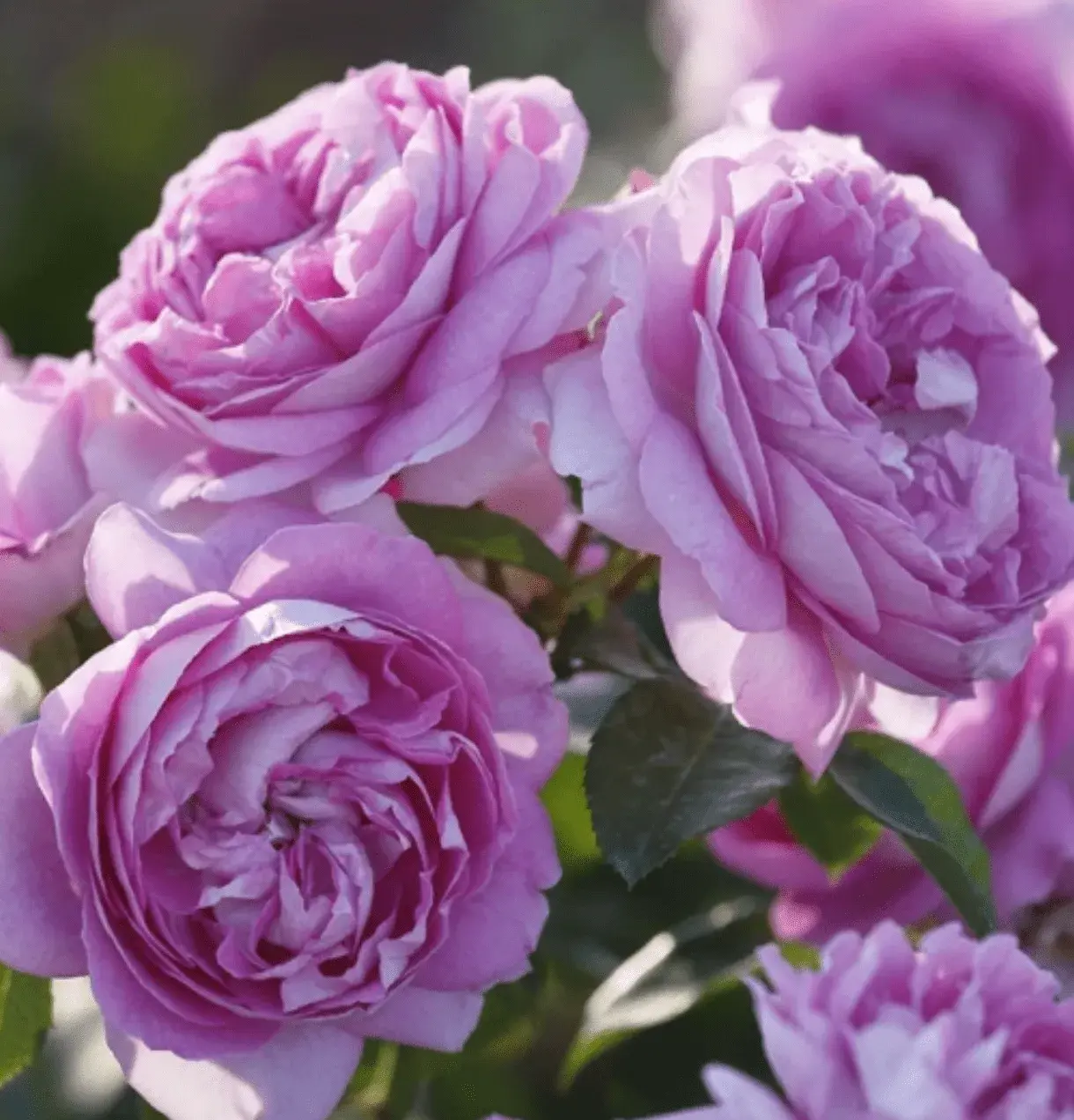 Enlarge photograph
Floribunda roses
15,00 €
Sold out
Price includes VAT
This variety is sold out at the moment. Soon you will be able to leave an e-mail address here to be told when it returns.
Basic information rosen-tantau.com/en/rose-lilac-topaz
Name: Lilac Topaz® (in many sources written as “Lilac Topaz”)
Type: floribunda rose (Floribunda)
Breeder: Rosen Tantau (Germany)
Introduced: in 2020.
Colour: soft lilac / light violet tone.
Flower size: ~6-8 cm in diameter.
Height / width: grows to ~50-80 cm in height, about ~100 cm in width, depending on the source.
Blooming: repeat-flowering.
Fragrance: light.
Disease resistance: high resistance to powdery mildew and black spot.
Reasons to choose this variety
Colour: Lilac tones are relatively rare in roses and add a fresh accent in the garden or in containers.
Hardiness: The breeder’s data indicate good resistance to diseases and to wet conditions.
Growing possibilities: It can be planted as a single shrub, in groups, or in a pot or on a terrace.
Growing and care tips
Location: Sun exposure – choose a place with at least 5-6 hours of sun per day. This will ensure good flowering and healthy growth.
Soil: Well-drained, enriched with organic matter, moderately moist.
Planting distance: The breeder’s data recommend ~45-50 cm between shrubs.
Pruning: After the first wave of flowering, you can remove faded blooms to encourage the formation of new buds.
Wintering: If you are in an area with harsher winter conditions, provide mulch or other protective covering so that the roots are not exposed to prolonged frost.
Possible limitations
The fragrance is not strong — if you are looking for a colourful and very fragrant rose variety, you may need to consider other varieties.
Although good resistance is indicated, proper care is still needed — for example, avoid wet places where mould or diseases may develop.